
Outdoor courts are built for performance, but they’re constantly exposed to the elements. From blazing sun to freezing temperatures, weather plays a major role in how long a court lasts and how well it performs over time. Below, we’ll discuss these impacts, so you know how to better protect your investment and extend the life of your court surface.
Sun Exposure and UV Damage
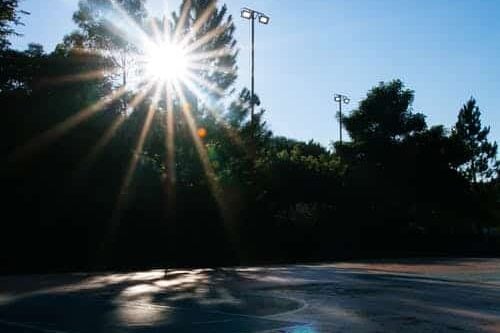
One of the biggest threats facing your court is prolonged exposure to sunlight. Ultraviolet (UV) rays can break down surface materials, leading to fading and discoloration. They can even weaken the structural integrity of your court over time. Acrylic coating and plastic tiles are especially vulnerable if they’re not UV-stabilized.
If UV rays have affected your court, you may notice faded colors, surface brittleness, and loss of traction. To prevent sun-related damage, choose UV-resistant materials, apply protective coatings (when recommended), and consider partial shading, such as pergolas, umbrellas, or strategic tree planting.
For more protection, consider using light colors in your court design, as these reflect sunlight better than dark colors, reducing heat absorption and material stress.
Temperature Fluctuations
Extreme heat and cold can cause court materials to expand and contract. Over time, this repeated movement can lead to cracks, warping, or surface separation.
Hot weather can soften certain materials and cause surface bubbling or fading. It can also lead to increased surface wear during play. Cold temperatures can make the surface hard and brittle, putting your court at risk of cracking or splitting.
To prevent temperature-related damage, use materials designed for your local climate and schedule routine inspections, especially after seasonal changes.
Moisture, Rain, and Snow
Moisture can also quickly deteriorate your outdoor court. Standing water can seep into small cracks, and when temperatures drop, freezing water expands, worsening that damage. You could be left dealing with mold, mildew, or algae growth, slippery playing conditions, or surface erosion. Moisture can even seep down under the surface and damage the court sub-base.
To prevent water damage, ensure you have proper drainage during installation, keep the court clean and free of debris to keep water from pooling, and remove snow promptly using a plastic shovel or push broom (avoid using metal tools, as these could scratch the surface).
Wind and Debris
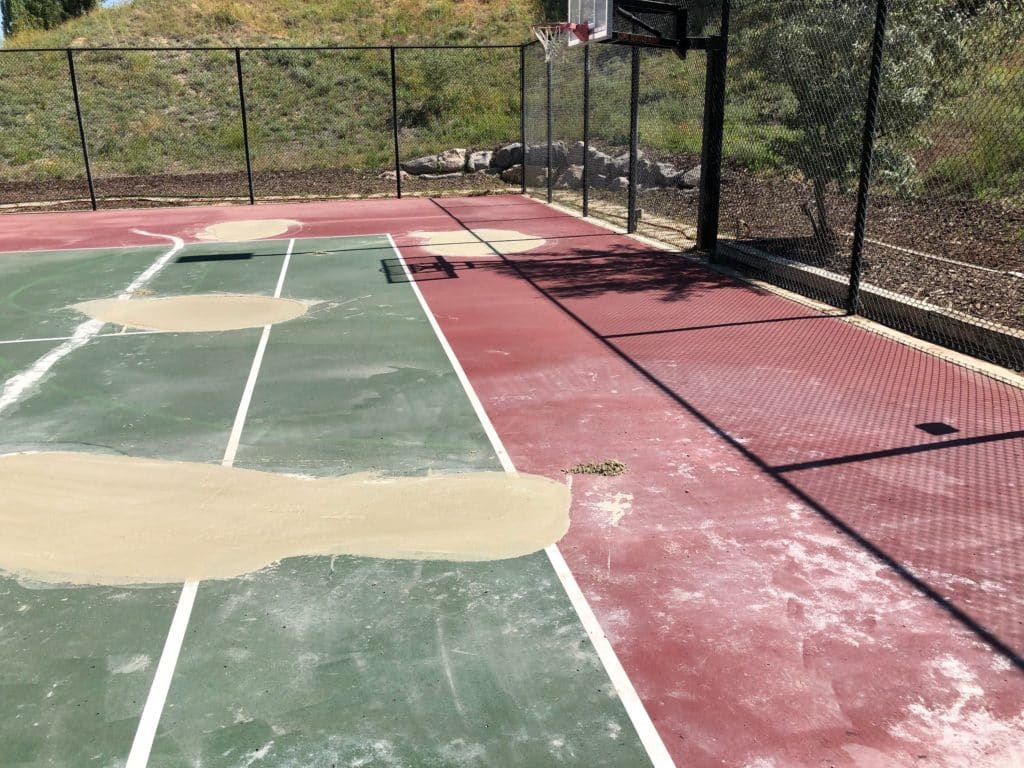
Many court owners may overlook the effects of wind on their court, but strong breezes can carry dirt, sand, pollen, and debris onto the surface. Over time, this extra grime can act like sandpaper, wearing down the surface and reducing traction.
To keep wind damage at bay, regularly sweep or blow off debris and install wind barriers or fencing if you live in a particularly windy area.
Humidity and Air Quality Effects
High humidity can not only make play uncomfortable but also impact your court surface. Like standing water, it can cause mold and mildew growth, slippery conditions, and faster breakdown of certain coatings.
In areas with frequent moisture in the air, regular cleaning and antimicrobial treatments can help maintain both safety and appearance.
Seasonal Wear and Usage
Weather also affects how often and how intensely you use your court. Seasonal changes can lead to uneven wear patterns, especially if you don’t adjust maintenance routines accordingly.
For example, increased summer use may accelerate wear, while winter neglect may allow damage to go unnoticed.
To keep your court in top shape, adjust maintenance schedules according to the season and perform deep cleanings and inspections annually.
The Importance of Routine Maintenance
No matter the climate, investing in regular maintenance will help you protect your outdoor court. Simple steps like cleaning, inspecting for damage, and addressing small issues early can prevent costly repairs down the line.
Basic maintenance checklist:
- Clear the surface with a broom or leaf blower weekly
- Wash the surface with a garden hose or the low-pressure setting on your pressure washer monthly
- Reapply protective coatings as needed
- Schedule professional evaluations periodically
When to Resurface or Repair
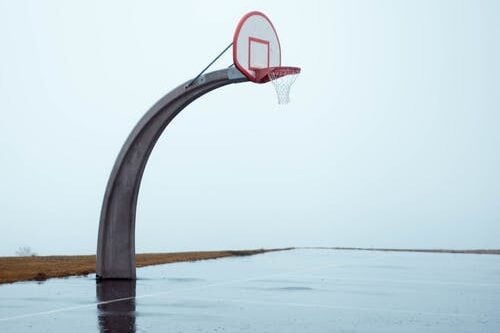
Even with excellent care, all outdoor courts will need to be resurfaced. If you see visible cracks or uneven areas, notice fading lines and color loss, experience reduced traction or slippery spots, or have frequent drainage issues, it may be time to refresh your court.
Most courts benefit from resurfacing every four to eight years, depending on climate and usage.
Protect Your Court No Matter the Weather
You can’t avoid the weather, but you can avoid damage. By understanding how the sun, temperature, moisture, and wind affect your outdoor court, you can take proactive steps to preserve its quality and longevity. With the right materials and consistent care, your court can stay safe, durable, and game-ready for many years.
Follow Us